
Blog
How to Make Insecticidal Soap to Kill Garden Insects Naturally

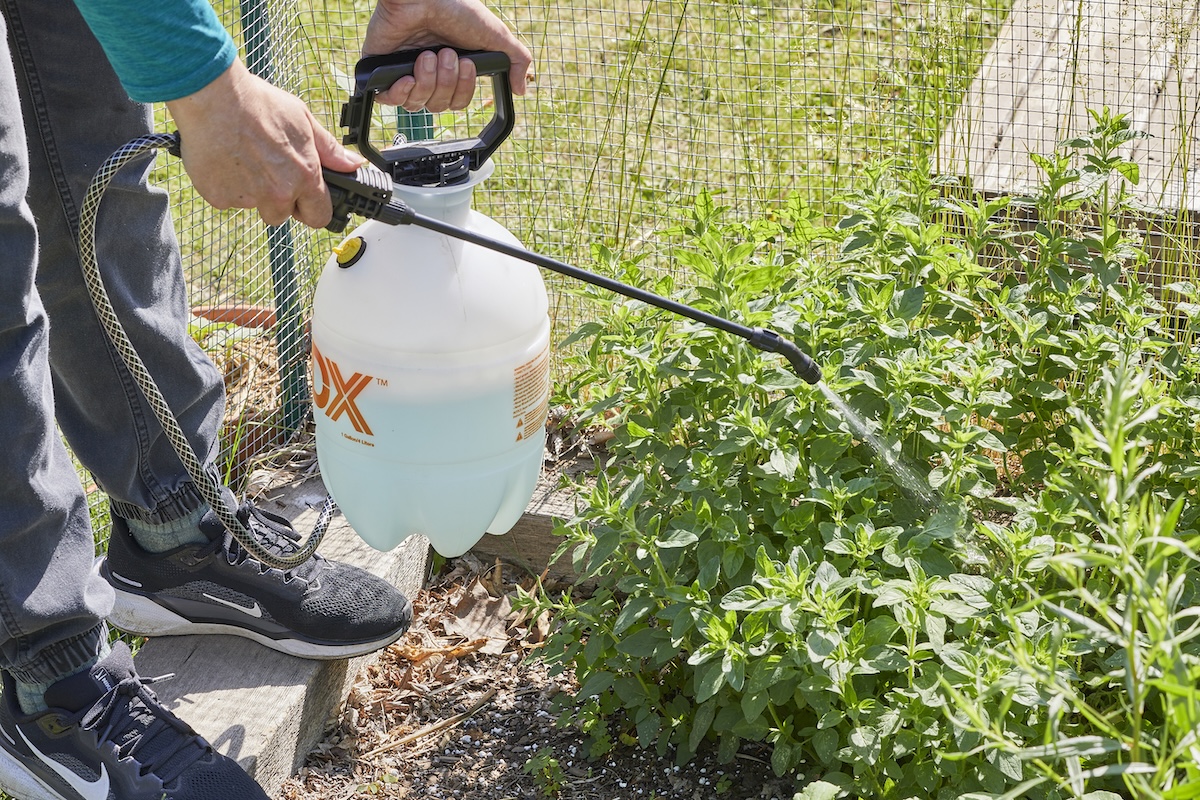
Step 1: Fill a jug with water.
Fill a 1-gallon jug with water, either distilled or tap, as long as it’s not hard water (hard water reduces the effectiveness of insecticidal soap), and leave a couple of inches at the top. Sometimes, the simplest way to do this is to purchase a gallon of distilled water from the grocery—not mineral-enhanced water—and label it with an indelible marker to ensure the solution isn’t mistaken for anything else.
For spraying large areas with a pump-type garden sprayer, fill the spray container itself with water, but stick to the following ingredient ratios we provide. Typically, pump sprayers hold between 1 and 3 gallons of water, and most feature a fill line near the top that tells how many gallons the container holds.
Step 2: Add soap and oil.
-
Photo: Tom Fenenga for BobVila.com -
Photo: Tom Fenenga for BobVila.com


Then add 2 1/2 tablespoons of mild liquid soap, or liquid dish soap, and 2 1/2 tablespoons vegetable oil. Coconut oil makes an excellent alternative to regular vegetable oil, and olive or grape oil are suitable as well. Both the liquid soap and the oil act as surfactants to help keep the solution from dripping off the plant’s leaves. The longer the solution remains on the plant’s foliage, the better the chance of killing the invading insects. Don’t increase the ratio of soap or oil, however—it must be a very mild solution in order to protect the plants.
Step 3: Shake the jug and pour the solution into a spray bottle.
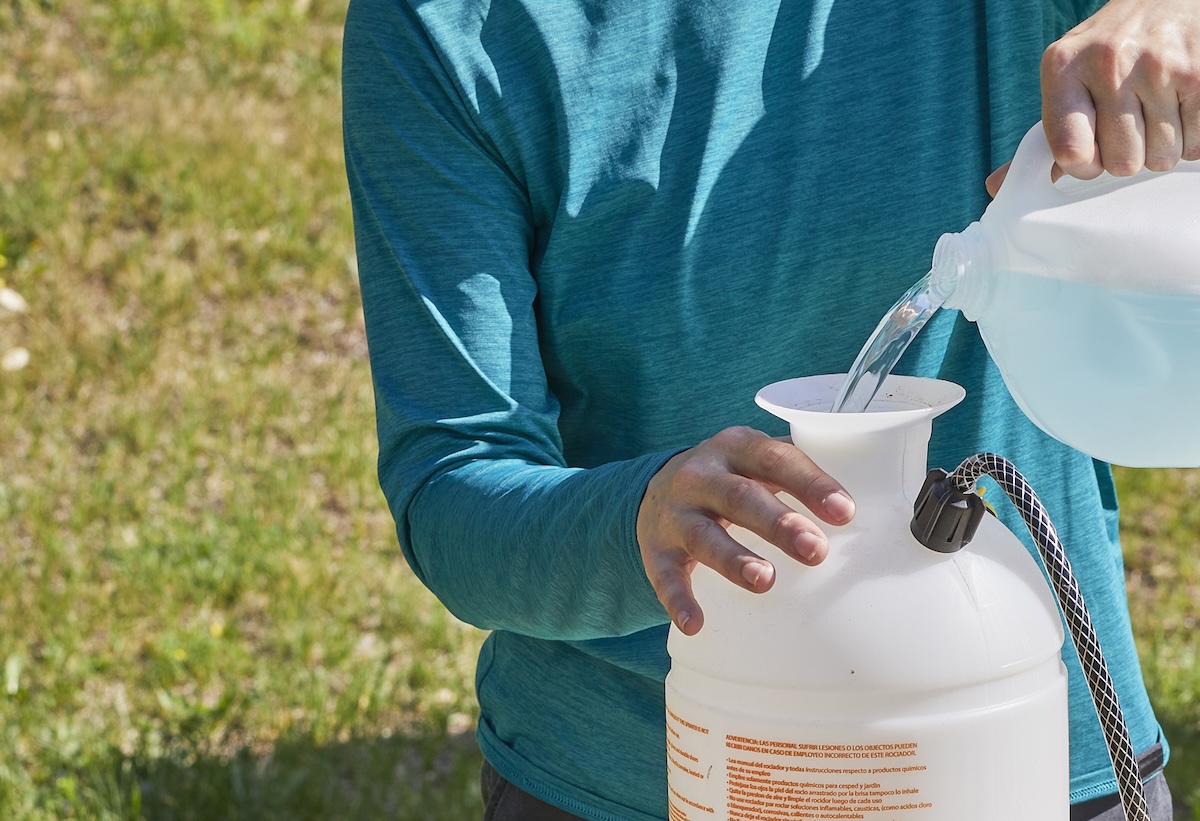
Screw on the lid, shake the solution to distribute the ingredients and immediately pour the solution into the spray bottle. Shake the jug each time you refill the spray bottle to maintain the correct ratio of ingredients so as not to apply a formula that’s too weak or too harsh. Likewise, give the spray bottle a good shake frequently while spraying to keep the solution mixed.
If any leftover DIY insecticidal soap solution has been sitting on a shelf for longer than a month between uses, check to ensure it’s still viable. On occasion, the oil in the solution can go bad, making the solution look a little cloudy or smell rancid. The best solution is to mix up a fresh batch.
What to Consider Before Using Insecticidal Soap
Although insecticidal soaps are safe for many flowers and vegetables, a few plants are sensitive to the solution and can suffer leaf damage. Among the most susceptible plants are sweet pea, begonia, impatiens, azalea, and rhododendron. If it’s the first time you’ve treated a plant and you’re unsure whether it’s safe to use insecticidal soap, err on the side of caution and do a sensitivity test first. Spray the solution on just two or three leaves of the plant, and then examine the plant after 24 hours. If the leaves have wilted, do not treat the plant with insecticidal soap. But, if the leaves look just as healthy as they did before, it’s safe to spray the rest of its limbs regularly.
When used as directed, insecticidal soap will not harm pets, birds, or wildlife. That said, it presents a slight risk of toxicity to fish, so it’s not advisable to treat aquatic plants or plants near fish ponds.
How to Use Insecticidal Soap
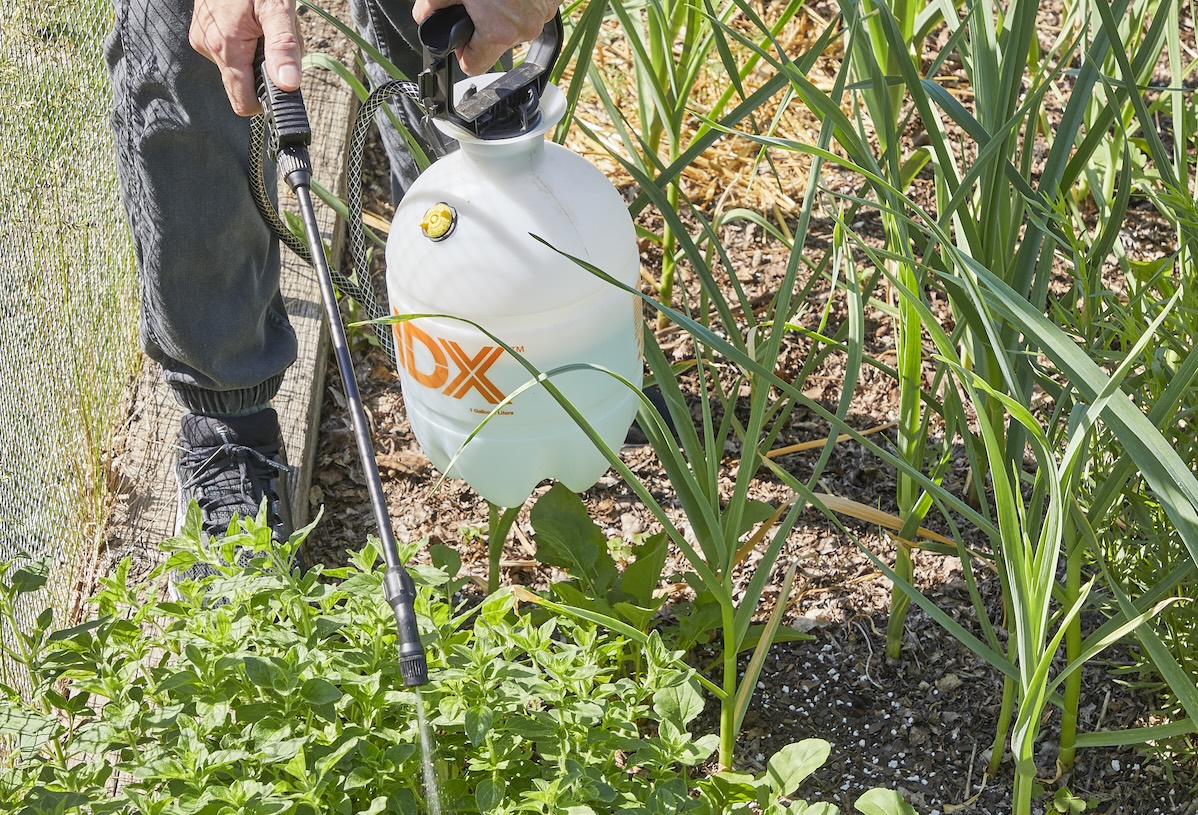
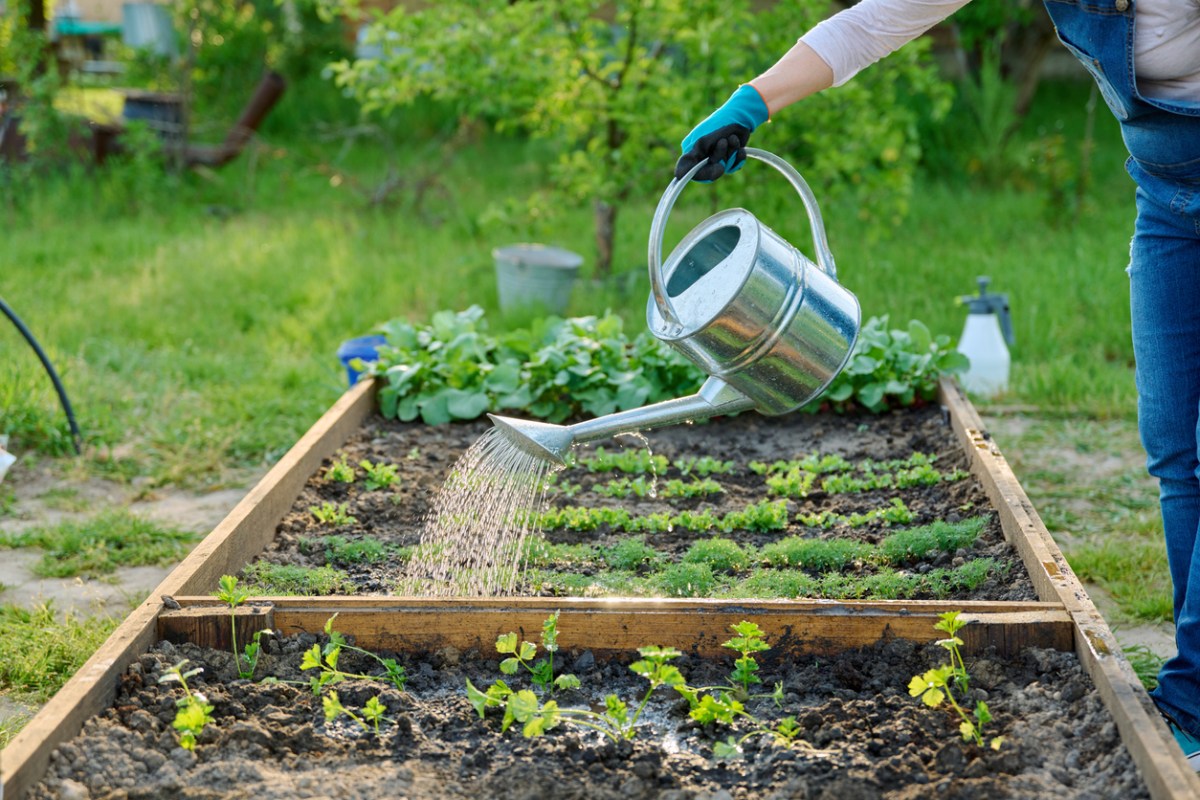
Spray an even mist of insecticidal soap where garden pests typically hide, including under leaves and on a plant’s main stem. The goal is to cover all plant surfaces with enough spray to make the leaves wet, but you don’t have to use so much that the solution drips off the leaves. Because this mixture is eco-friendly, it’s safe to spray directly onto fruits and vegetables such as peaches, apples, tomatoes, zucchini, and pumpkin.
Repeat the application every 4 to 7 days, as needed. Because insecticidal soap only kills insects when it’s wet, it’s a good idea to treat plants in early morning or late evening when the solution won’t evaporate as quickly as it will in the heat of the day.
FAQ
Certainly! By mixing 2 1/2 tablespoons of vegetable oil and 2 1/2 tablespoons of pure liquid soap with 1 gallon of distilled water, you’ll have a whole gallon of insecticidal soap for safely spraying plants in flowerbeds or the vegetable garden.
Many gardeners successfully use Dawn as the liquid soap in their insecticidal soap solution, but unlike a pure soap, such as castile, Dawn contains artificial colors and ingredients. While it may not harm plants, using a soap that doesn’t contain fragrances or other artificial ingredients may be a more eco-friendly option.
Both homemade and commercial insecticidal soaps can be beneficial. For those looking to purchase a ready-made insecticidal soap that’s safe for use on plants, consider Garden Safe Insecticidal Soap, which is safe for use on all plants, including vegetables.
If too high a percentage of soap is used in a homemade insecticidal soap solution, the risk of harming plants increases. It also increases if the liquid soap used to make the solution contains other chemicals or ingredients. For the best—and safest—results, stick to natural liquid soaps and don’t vary from the recommended ingredient ratios.
For typical insect protection, spray plants thoroughly with insecticidal soap once a week. After a heavy rain, reapply the spray.
Several natural insecticides exist that are effective and safe for use on plants, including neem oil and diatomaceous earth. However, they are not ingredients in insecticidal soaps. Insecticidal soaps contain just water, liquid soap, and oil.
Final Thoughts
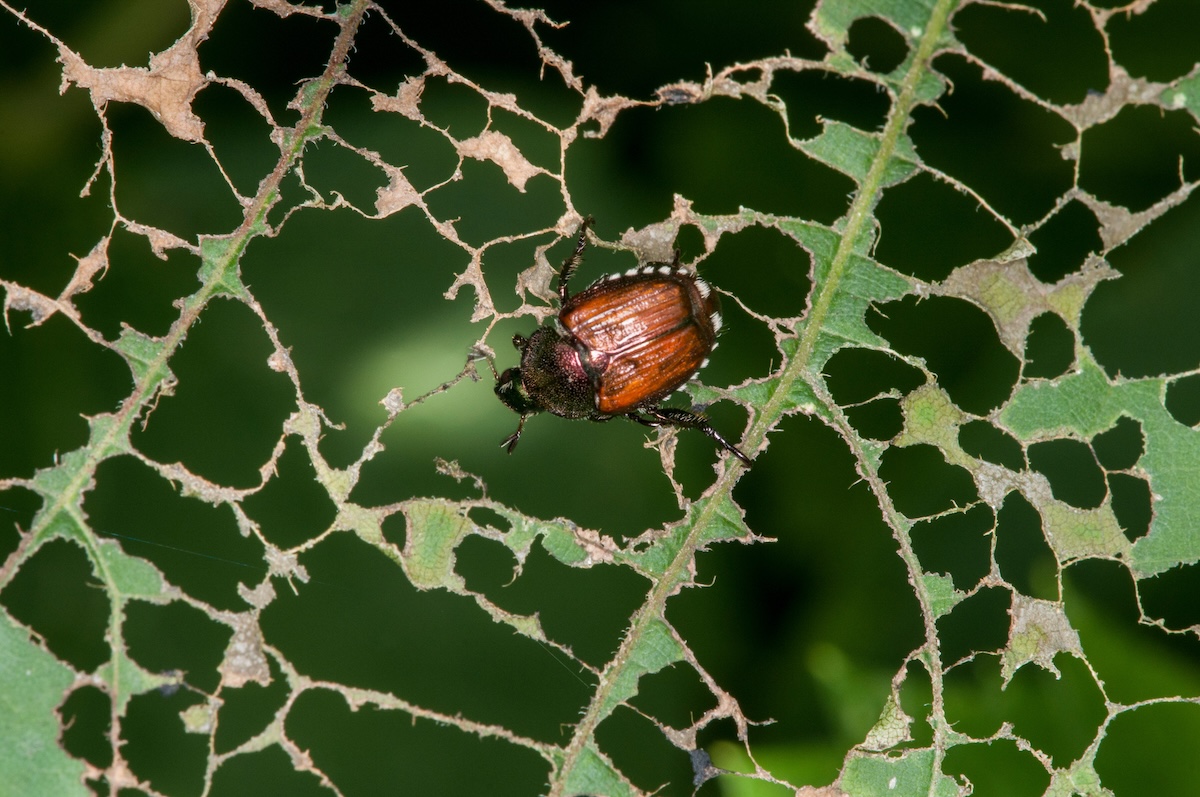
Plants naturally attract bugs—some bugs perform beneficial tasks in the garden, such as pollinating flowers or killing harmful insects. However, no gardener wants to lose an entire crop to an insect infestation, and the use of insecticidal soaps is one of the best ways to keep damaging insects at bay while protecting plants.
Meet the 2025 Tools of the Year