
Blog
How to Get Rid of Yellow Jackets Safely and Keep Them From Coming Back

Safety Considerations
- For homeowners who want to DIY this task, wear as many layers of clothing as possible to protect from stings.
- Before you begin disrupting the nest, plan out an escape route that is clear of items that may trip you, such as outdoor toys, lawn furniture, and garden tools.
- It’s best to leave yellow jacket removal to the professionals, especially if someone in the household is allergic, to avoid being stung and risking an allergic reaction.
Ways to Get Rid of Yellow Jackets
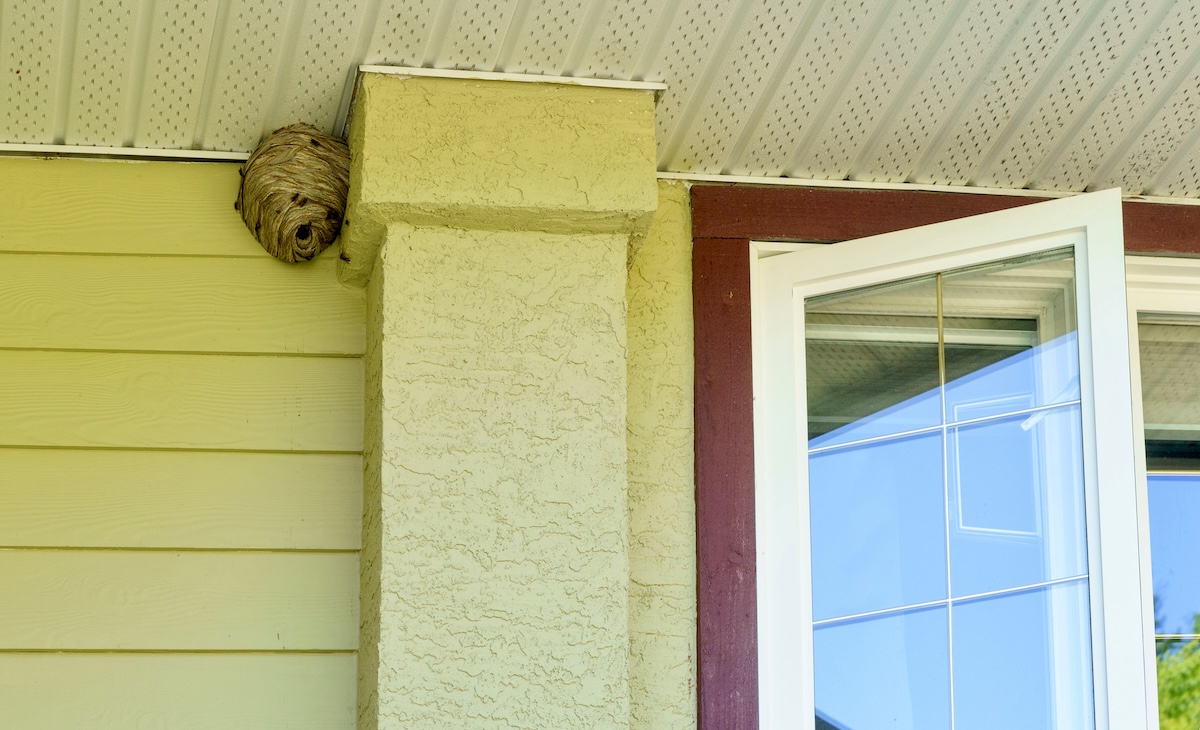
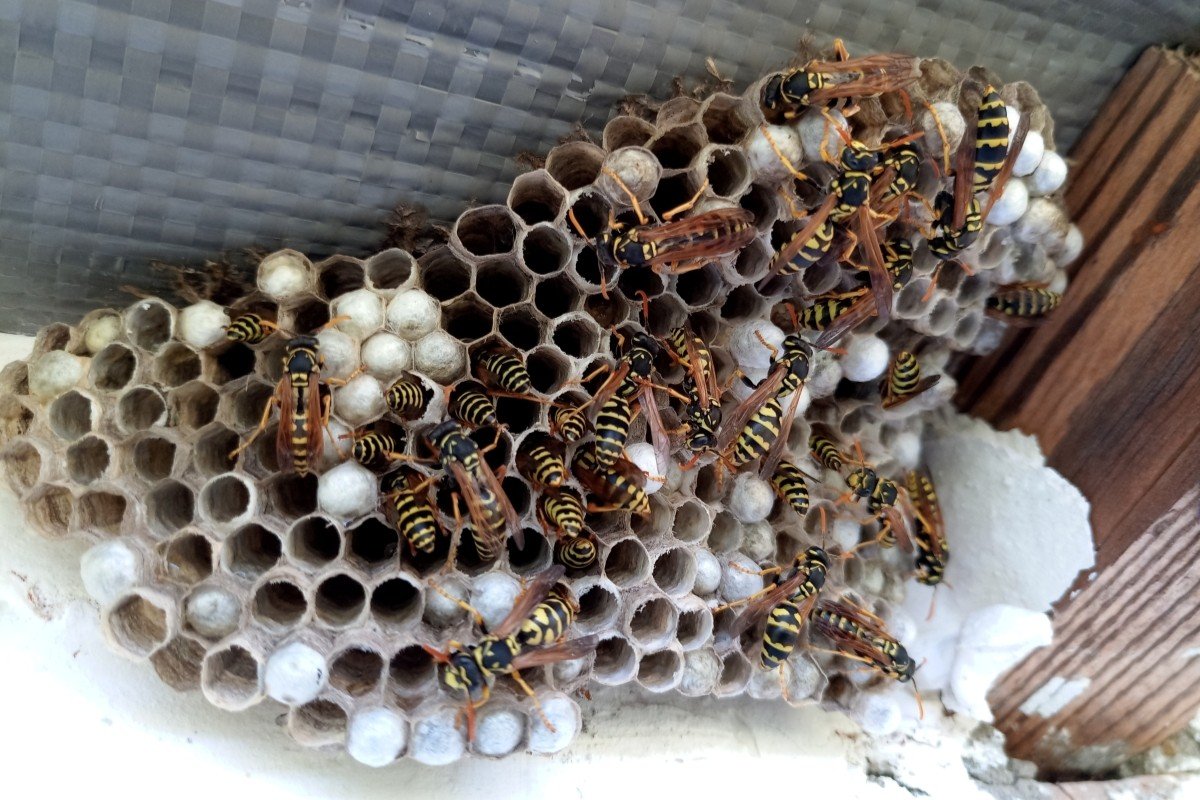
Before trying any removal method, it’s important to locate the nest. These pests commonly build colonies underground, though they may also settle inside walls, attics, crawl spaces, sheds, or beneath decks. Watching where the insects repeatedly fly to and from can help pinpoint the nest location.
Identifying the nest early in the season (typically, in early spring) can help homeowners avoid accidentally disturbing the colony and reduce the risk of painful stings. It can also make treatment more effective, whether using DIY methods or working with a pest control professional.
Natural remedies
Natural remedies may help reduce activity around small nests or discourage these pests from returning to the area. While these methods are not always effective for large infestations, they can be useful for homeowners who prefer to avoid chemical sprays or want a temporary solution while waiting for professional treatment.
Peppermint oil
The strong scent of peppermint oil is believed to help repel wasps. Combine a few drops of peppermint oil with warm water and a small amount of dish soap in a spray bottle, then apply it near nest entrances, eaves, railings, or other high-activity areas. Reapply every few days or after rainfall for the best results.
DIY Soap-and-water spray
A mixture of water and dish soap can coat the insects’ bodies, making it difficult for them to fly and breathe. This method is sometimes used on individual insects or very small nests, but it should be approached cautiously since disturbing a colony may provoke aggressive behavior. Protective clothing and a clear escape route are recommended.
Hang a fake nest
These insects are territorial and may avoid areas they believe are already occupied by another colony. Hanging a fake wasp nest near patios, decks, or rooflines may help discourage new nests from forming nearby.
Our Recommendation
Hanging Wasp Nest Decoy
“These weatherproof decoys really work! They’ve kept wasps away from my garden shed all spring.” – Jenny Stanley, executive editor for bobvila.com
Buy Now
Photo: Amazon
Use protein or sweet bait traps
Protein-based bait, such as fish, chicken, or deli meat, can help lure wasps in spring and early summer, when colonies are actively hunting for food. During late summer and early fall, sweet bait like soda, fruit juice, or jam is often more effective. Placing bait above a bucket of soapy water or inside a trap may help reduce activity around outdoor spaces.
Cover or block ground nests
If a nest entrance is located in the ground, some homeowners attempt to temporarily cover it with a bowl, container, or tarp at night when activity is lower. However, this method may not eliminate the colony completely and can increase the risk of stings if the insects find another exit point. Large or active ground nests are generally best left to a professional.
Vinegar Trap
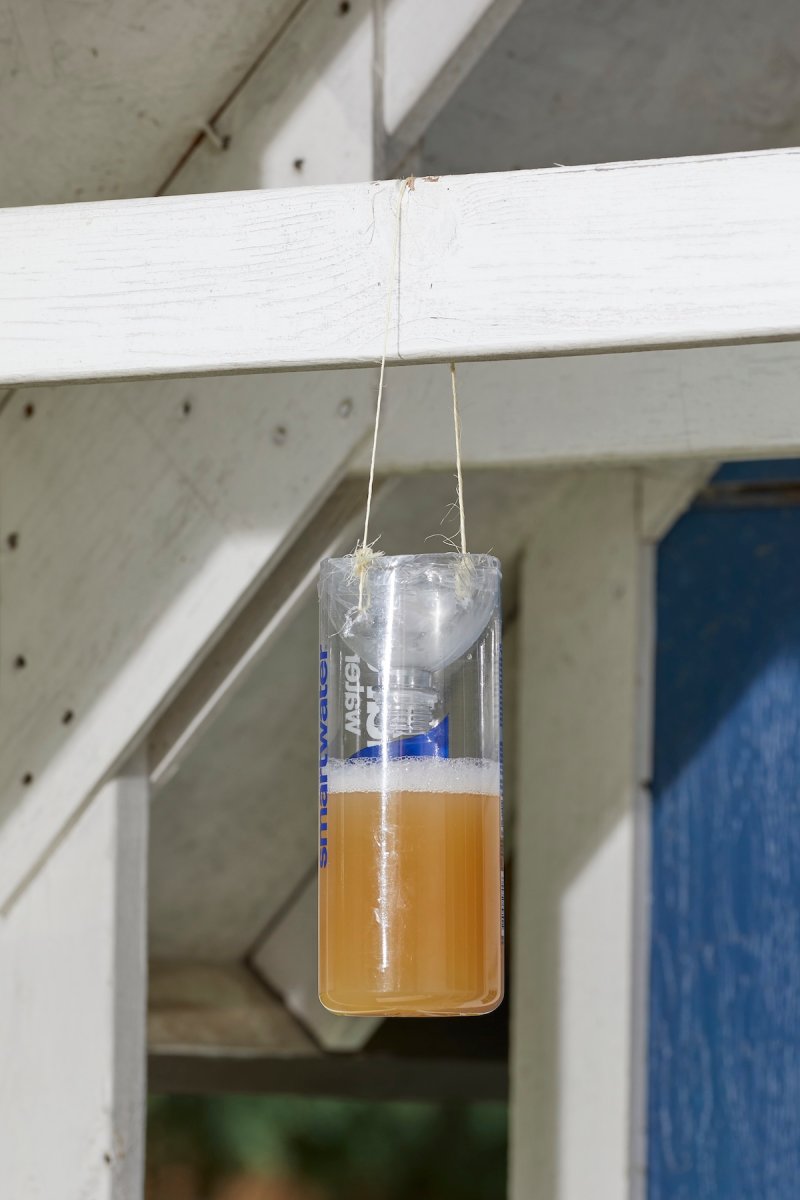
A vinegar trap can help reduce yellow jacket activity around patios, decks, and garbage cans. Homeowners can purchase a commercial wasp trap or make a simple DIY version using apple cider vinegar, water, dish soap, and bait such as fruit juice, soda, or small pieces of meat.
Place the trap several feet away from outdoor gathering areas where activity is highest, and refresh the bait every few days as needed. While traps can help reduce the number of insects around the home, they typically will not eliminate an entire nest on their own.
Bug Zappers
For those who do not want to have direct contact with the yellow jacket nest, an electric bug zapper can be beneficial. Place the zapper outdoors near areas of high activity. Yellow jackets, like many insects, are attracted to the light and heat the device emits, and will be killed on contact.
Wasp Spray
If the natural methods listed above don’t work, or if you are experiencing a large infestation of yellow jackets, you can try one of the best wasp sprays. The best time to approach the nest for spraying (and when using any other remedies) is at night, when the colony is the least active and most yellow jackets are inside the nest. While wearing clothing that covers any exposed skin to prevent any possible stings, spray the nest by following the directions on the yellow jacket spray. If there is activity at the nest at the same time the next day, spray it again.
How to Prevent Yellow Jacket Infestations
Taking a few preventive steps can make a property less attractive to yellow jackets and reduce the chances of nests forming near the home.
- Seal cracks, gaps, and holes around siding, roofing, vents, and foundations where nests may form
- Keep garbage cans tightly covered and clean up spills or food scraps promptly
- Avoid leaving sugary drinks, fruit, pet food, or uncovered food outdoors
- Remove fallen fruit from yards and gardens regularly
- Eliminate standing water from bird baths, buckets, gutters, and leaky hoses
- Limit heavily scented perfumes, lotions, and body sprays when spending time outdoors
- Inspect sheds, attics, decks, crawl spaces, and eaves regularly for early nest activity
Catching a nest early in the season is often the easiest way to prevent a larger infestation later on.
When to Call a Professional
Small nests and minor activity can sometimes be managed with traps, repellents, and preventive measures, especially early in the season. However, larger infestations can become dangerous quickly, particularly if the nest is hidden inside walls, attics, or underground near high-traffic areas.
Homeowners who are allergic to stings, uncomfortable working near aggressive insects, or dealing with a large colony will usually be safest hiring a pest control professional. An expert can identify the nest location, use targeted treatments, and remove the infestation with less risk of painful stings or recurring activity.
FAQ
Yes. Yellow jackets are highly territorial and can become aggressive when their nest is disturbed. Unlike bees, they can sting multiple times, which may cause pain, swelling, redness, itching, and, in some cases, severe allergic reactions (call 911 immediately).
Commercial wasp and hornet sprays are typically the fastest and most effective option for killing yellow jackets on contact. Many aerosol sprays are designed to shoot from a safer distance and can quickly disable insects when applied directly to the nest, especially at dusk or nighttime when the colony is less active.
Vinegar won’t get rid of these pests on its own, but it is a strong attractant that can be used in DIY traps if you add sweet bait and some dish soap. These traps are useful for reducing activity around patios, trash cans, and outdoor spaces rather than fully removing a colony.
A few natural options work well:
• Soapy water: poured directly into the nest, it suffocates the colony.
• Boric acid or diatomaceous earth: dust the nest entrance; both dehydrate and kill on contact.
• Homemade traps: bait with a sweet liquid to lure and drown foraging workers.
Apply any nest treatment at night when the colony is inactive.

Curb Appeal Updates You’ll Appreciate Even If You Aren’t Selling Your Home